

Relationships shape behavior
The interaction between parts often matters more than one part alone.
The Innoba Books
See the whole system before changing one part
Understand relationships, workflows, feedback, incentives, dependencies, and consequences so the solution improves more than an isolated task.
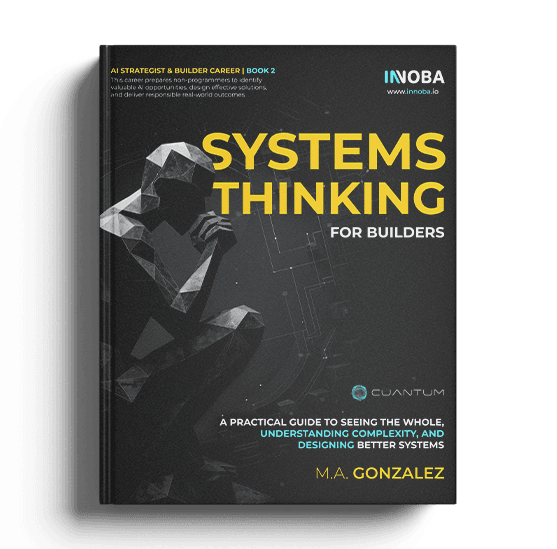
Inside this Book
Develop a connected understanding of Systems Thinking for Builders, with the depth to revisit important ideas and apply them to your own work.
Included with all 15 Innoba Books in one membership for $12.90 a month.
Why this Book
Systems Thinking for Builders gives practical AI professionals the wider perspective required to intervene responsibly. It helps you see why a technically successful change can still create new bottlenecks or fail in the real environment.
AI initiatives often optimize the most visible step while ignoring everything around it. Faster output may overwhelm the next team. Automation may remove information someone needs. A product may shift work instead of reducing it. Local improvement can produce system-level cost.
What you learn
How to define a system and its purpose from different perspectives.
How people, information, technology, rules, incentives, and environment interact.
How feedback loops, delays, constraints, and leverage shape behavior.
How to map workflows and identify patterns beneath symptoms.
How interventions can create unintended consequences.
How to make a change produce evidence and learning.
Explore the contents
Follow the ideas from their foundations into practice. Each part of Systems Thinking for Builders develops a connected set of skills and decisions you can bring to your work.
Core ideas
The interaction between parts often matters more than one part alone.
Results can reinforce or counteract change and may appear after a delay.
Stakeholders can experience the same system differently.
A focused change at the right point may matter more than broad automation.
A change should teach you something about the system.
Your capabilities
Who this Book is for
Builders, consultants, operations professionals, product thinkers, managers, founders, and anyone working on problems involving multiple people, steps, systems, or incentives.
Professional applications
Connected Learning Paths
Connect this Book with complementary capabilities and work toward a specific professional outcome.
places AI inside a larger system.
provides the whole-system strategic perspective.
reveals leverage and constraints.
broadens the evidence beyond individual preference.
grounds automation in operational reality.
supports complete workflow architecture.
improves client discovery.
frames implementation as organizational change.
Career connection
Systems thinking is one of the strongest bridges between strategist and builder. It improves opportunity judgment, solution design, workflow architecture, consulting, and implementation.
Your transformation
You should be able to map a meaningful system, identify relationships and constraints, question simplistic fixes, and choose an intervention with stronger awareness of value and consequence.
The complete collection
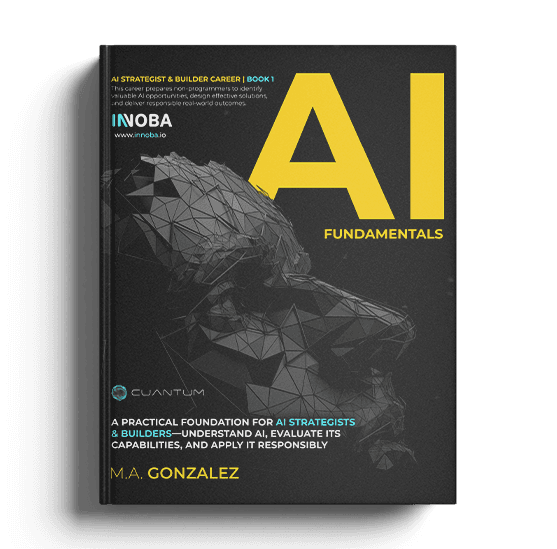
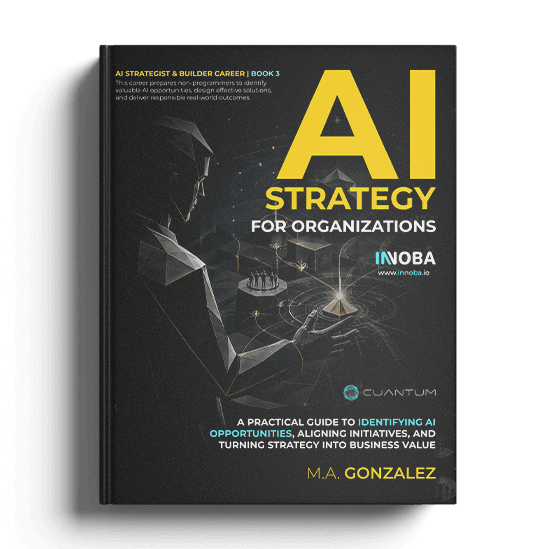
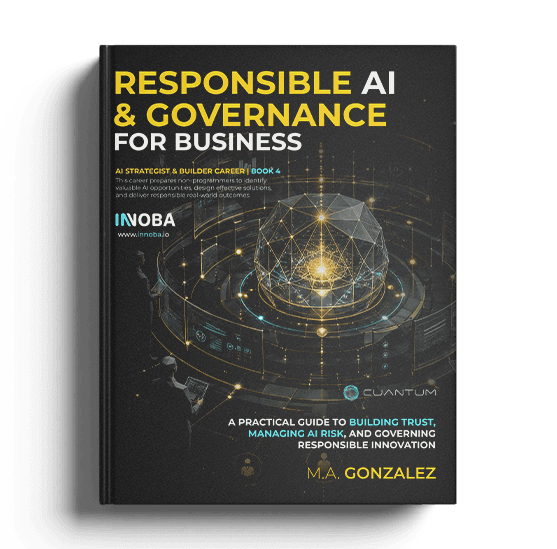
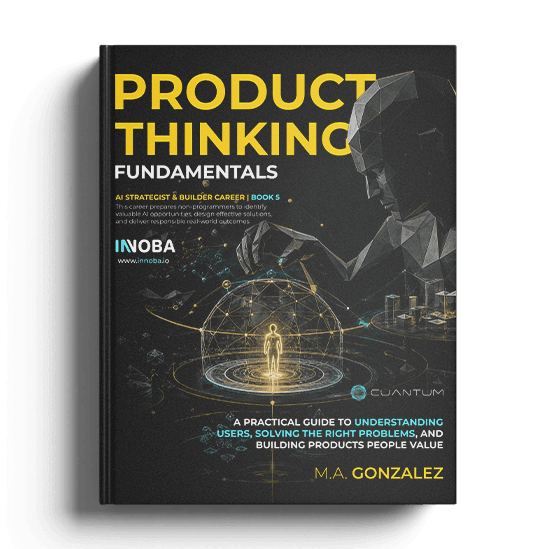
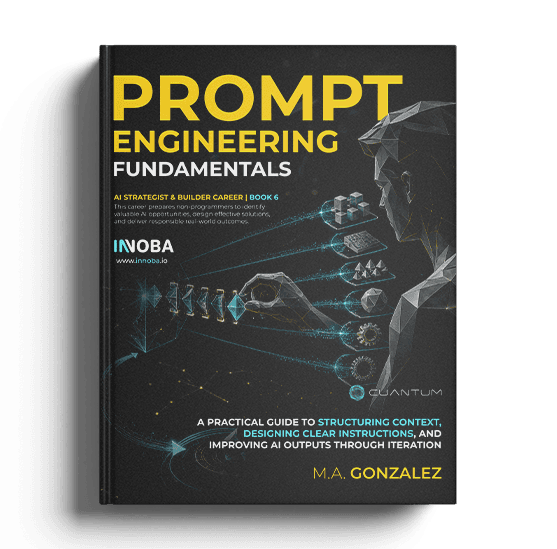
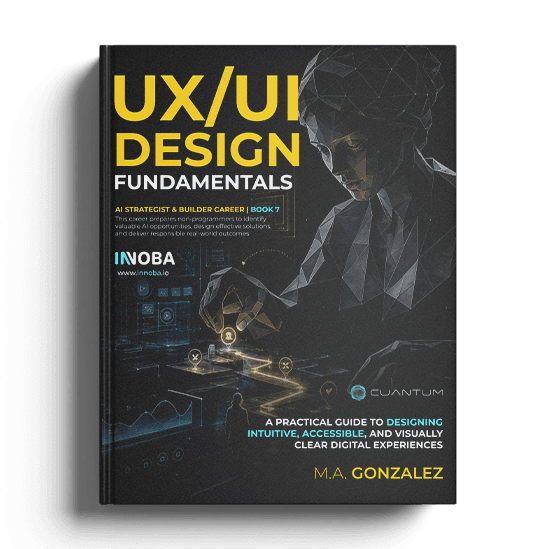
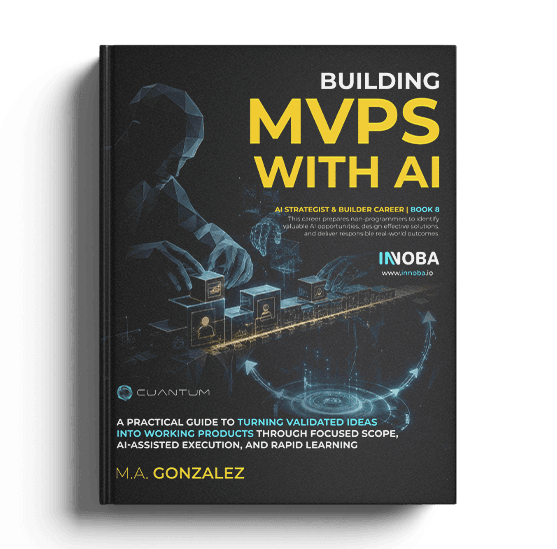
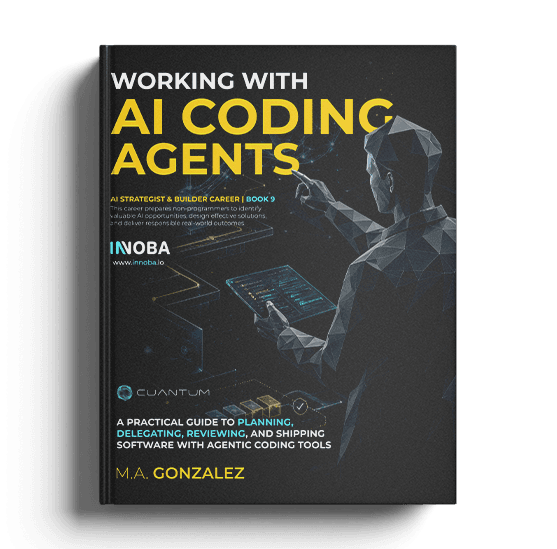
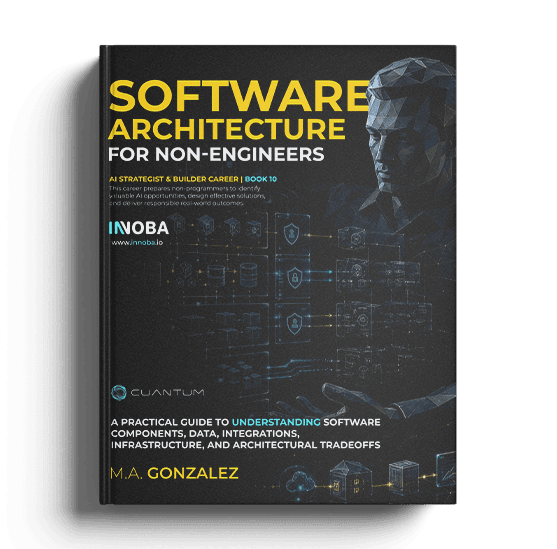
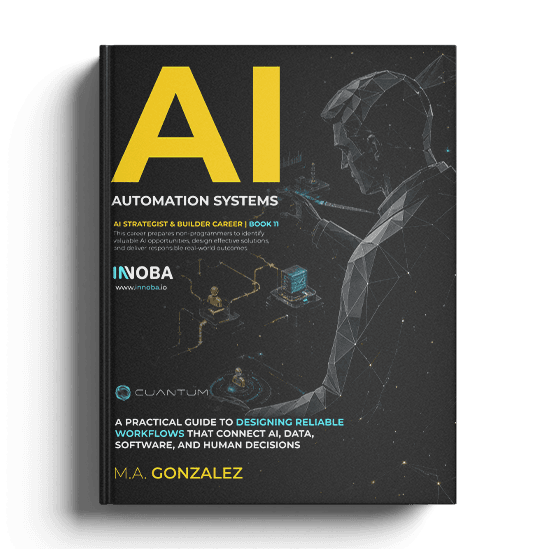
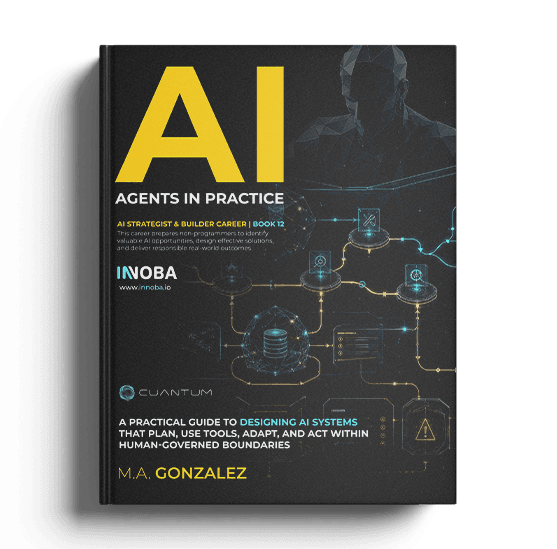
A clear progression from learning individual skills (books) to building complex abilities (learning paths and academies) and an entire career around them.
A group of books builds learning paths; a group of learning paths builds Academies; and a group of Academies builds the AI Strategist & Builder Career.
Learn a specific skill or topic
Achieve a specific goal
Master a specialty
Become an AI Strategist & Builder
43¢day