

Intent before wording
A clear professional goal matters more than clever phrasing.
The Innoba Books
Communicate with AI through clear intent, context, criteria, and feedback
Replace prompt collecting with a professional method for directing, evaluating, and improving AI-assisted work.
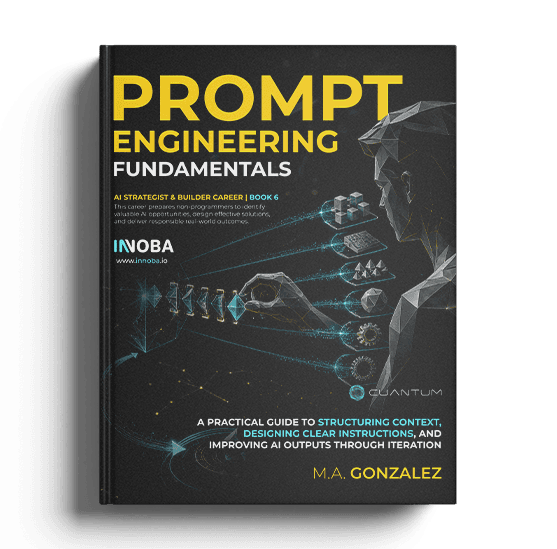
Inside this Book
Develop a connected understanding of Prompt Engineering Fundamentals, with the depth to revisit important ideas and apply them to your own work.
Included with all 15 Innoba Books in one membership for $12.90 a month.
Why this Book
Prompt Engineering Fundamentals treats prompting as instruction design and collaborative reasoning. The goal is not to memorize formulas. It is to express an outcome clearly and create the conditions for useful, reviewable work.
A copied prompt may work once without teaching you why. Poorly defined tasks produce plausible but unsuitable output, and a fluent answer can be accepted without evaluation. Professional use requires clarity about the goal and a deliberate feedback process.
What you learn
How to define the task and desired outcome.
How to select and organize relevant context.
How to specify constraints, format, examples, and success criteria.
How to decompose complex work.
How to ask for alternatives, critique, or clarification.
How to evaluate and improve the response.
When prompting cannot overcome missing data or unsuitable capability.
Explore the contents
Follow the ideas from their foundations into practice. Each part of Prompt Engineering Fundamentals develops a connected set of skills and decisions you can bring to your work.
Core ideas
A clear professional goal matters more than clever phrasing.
Provide what the AI needs—not everything available.
Explain how quality will be judged.
Use output as the beginning of a feedback cycle.
Prompt quality does not guarantee correctness.
Your capabilities
Who this Book is for
Every learner who uses AI for analysis, writing, research, planning, design, building, automation, or agent direction. No technical background is required.
Professional applications
Connected Learning Paths
Connect this Book with complementary capabilities and work toward a specific professional outcome.
Career connection
AI Strategists & Builders communicate with intelligent systems throughout the Career. Clear prompting improves analysis, design, coding-agent direction, automation, and implementation while critical evaluation protects quality.
Your transformation
You should be able to turn a professional goal into clear instructions, provide useful context and quality criteria, evaluate the response, and improve it through deliberate feedback.
The complete collection
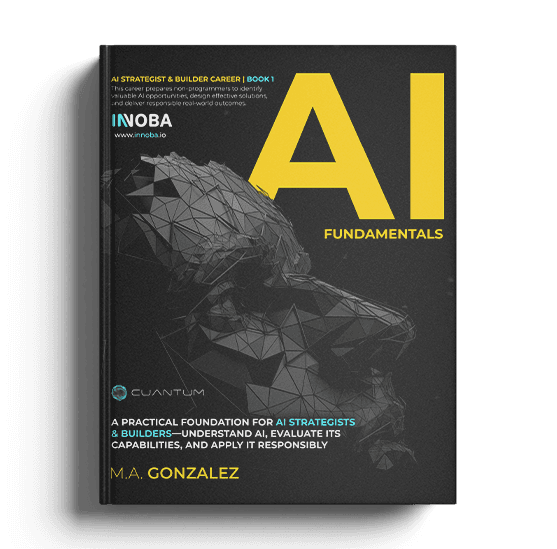
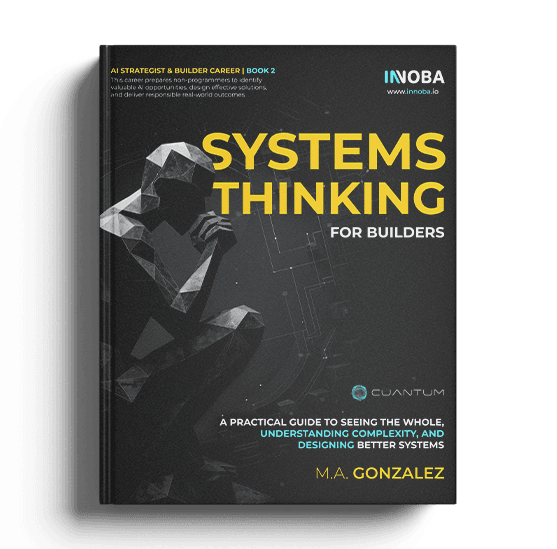
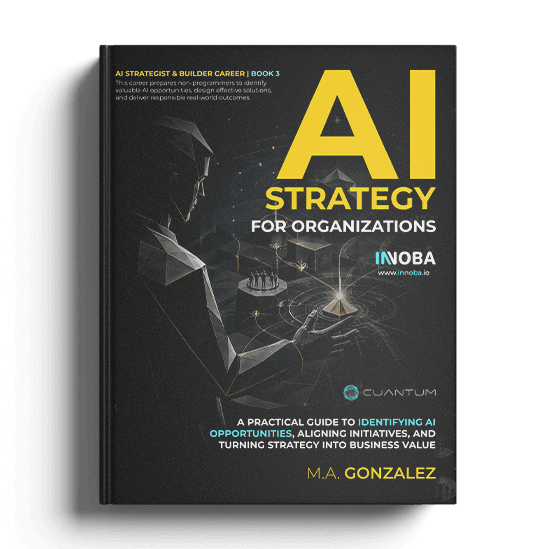
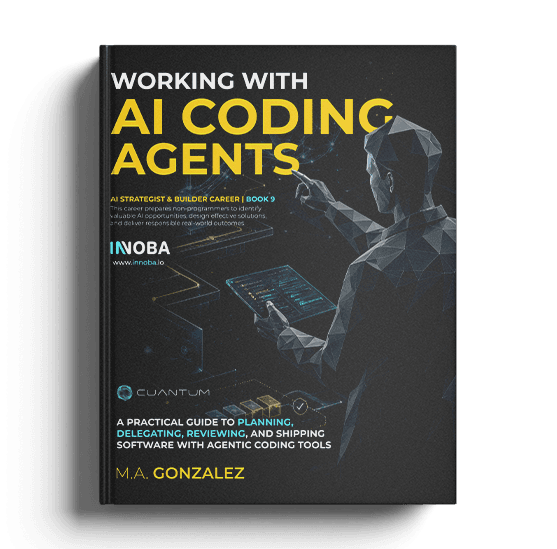
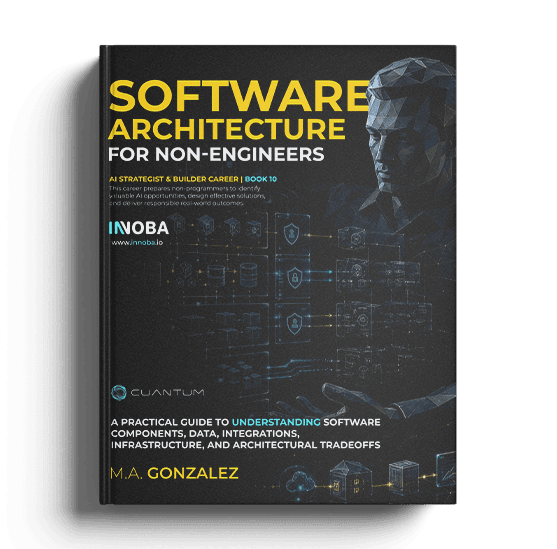
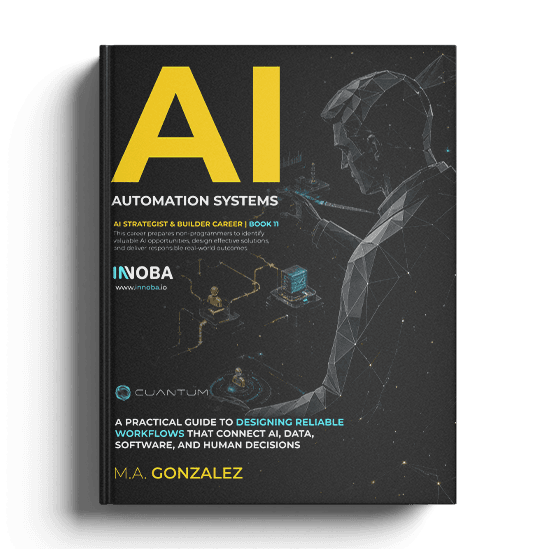
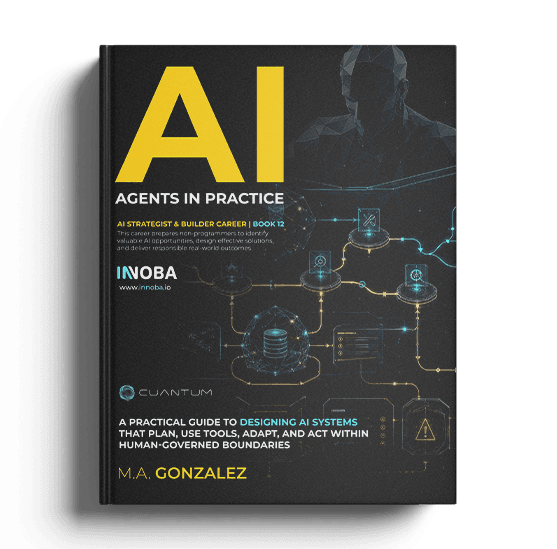
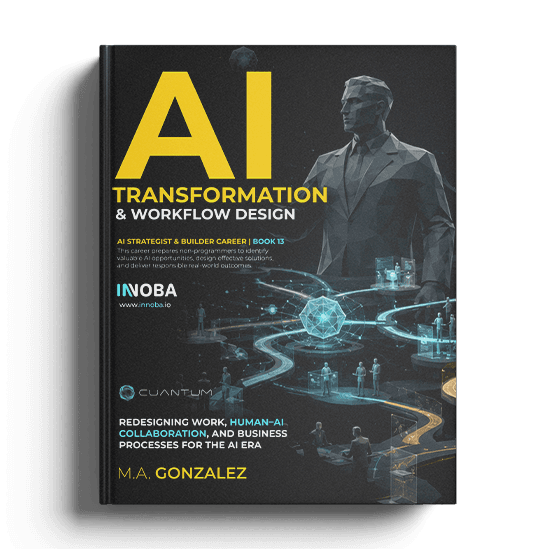
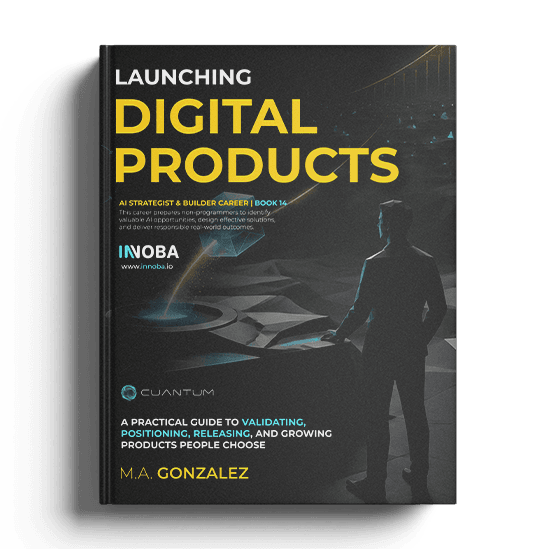
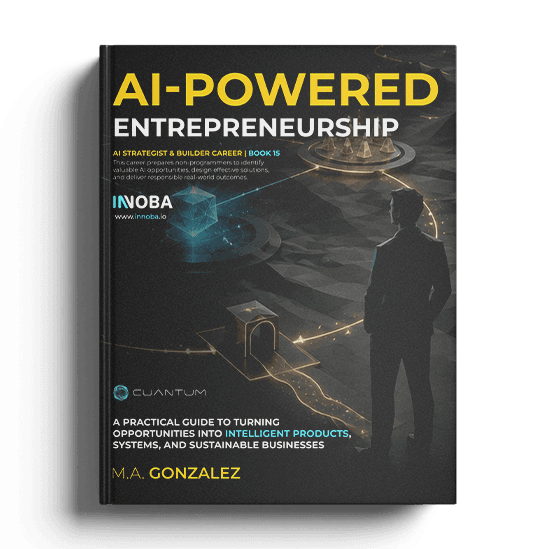
A clear progression from learning individual skills (books) to building complex abilities (learning paths and academies) and an entire career around them.
A group of books builds learning paths; a group of learning paths builds Academies; and a group of Academies builds the AI Strategist & Builder Career.
Learn a specific skill or topic
Achieve a specific goal
Master a specialty
Become an AI Strategist & Builder
43¢day